
The Art (and Necessity) of Hedge Trimming
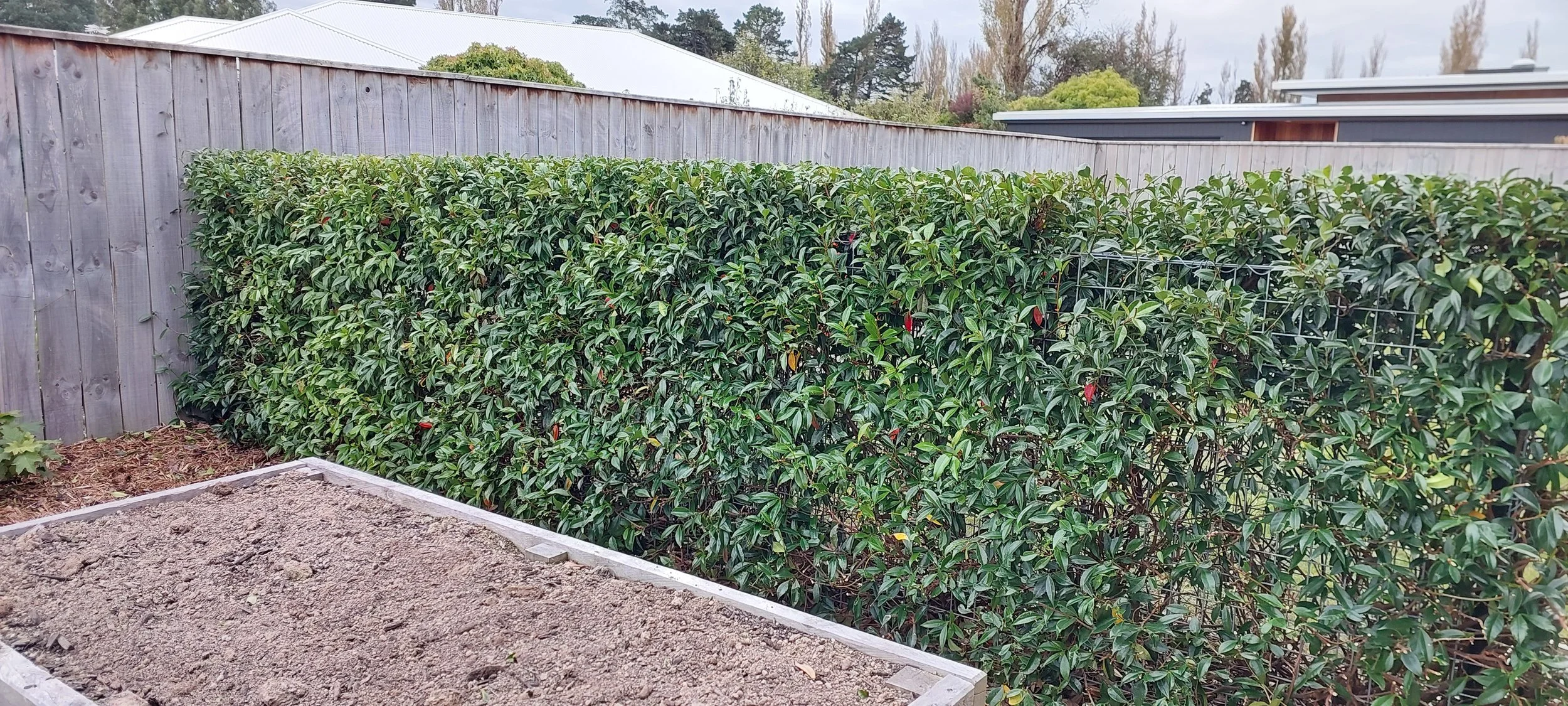
A neatly trimmed hedge can transform a garden. It frames your space, gives structure through the seasons, and, when looked after, becomes one of the most satisfying features you own. But let’s be honest — trimming a hedge isn’t just about making it look tidy. Done right, it’s about keeping it healthy, dense, and growing in the right direction.
Why Trim at All?
Left to their own devices, hedges can get leggy, patchy, and overgrown. Regular trimming:
Encourages bushy growth rather than long, bare stems.
Maintains the shape and size you want.
Prevents shading out other plants or blocking paths and driveways.
Keeps it looking like a deliberate feature rather than an accidental thicket.
When to Trim
Most hedges are best trimmed once or twice a year. Evergreen hedges like box, camellia, and pittosporum benefit from light shaping in late spring and again in late summer. Deciduous hedges like hornbeam or beech are usually done in late summer when the season’s growth is complete. Always check for nesting birds before you start — it’s both considerate and, in many places, a legal requirement.
Tools of the Trade
Sharp hedge shears or secateurs for smaller work.
Powered hedge trimmers for longer runs or thicker stems.
A string line or stakes if you want to keep your edges straight.
Don’t forget gloves and eye protection — those clippings have a knack for finding their way into your face.
Technique Matters
Start from the bottom and work your way up, keeping the base slightly wider than the top so sunlight can reach all parts of the hedge. Step back often to check your lines — it’s surprisingly easy to wander off course. For formal hedges, think about symmetry; for informal ones, aim for a natural, flowing line rather than rigid perfection.
Aftercare
Clear away clippings promptly — they can smother the grass beneath or create a damp haven for pests. Give your hedge a good drink if the weather’s dry, and a feed in spring to encourage strong growth.
Or… Leave It to the Experts
If your hedge is taller than you can safely reach, or if shaping plants isn’t your strong suit, it’s worth calling in someone who knows their way around a pair of shears. A good gardener can get the job done faster, more safely, and with a result that lasts.